the power of detail: how architectural moulding shapes luxury interiors
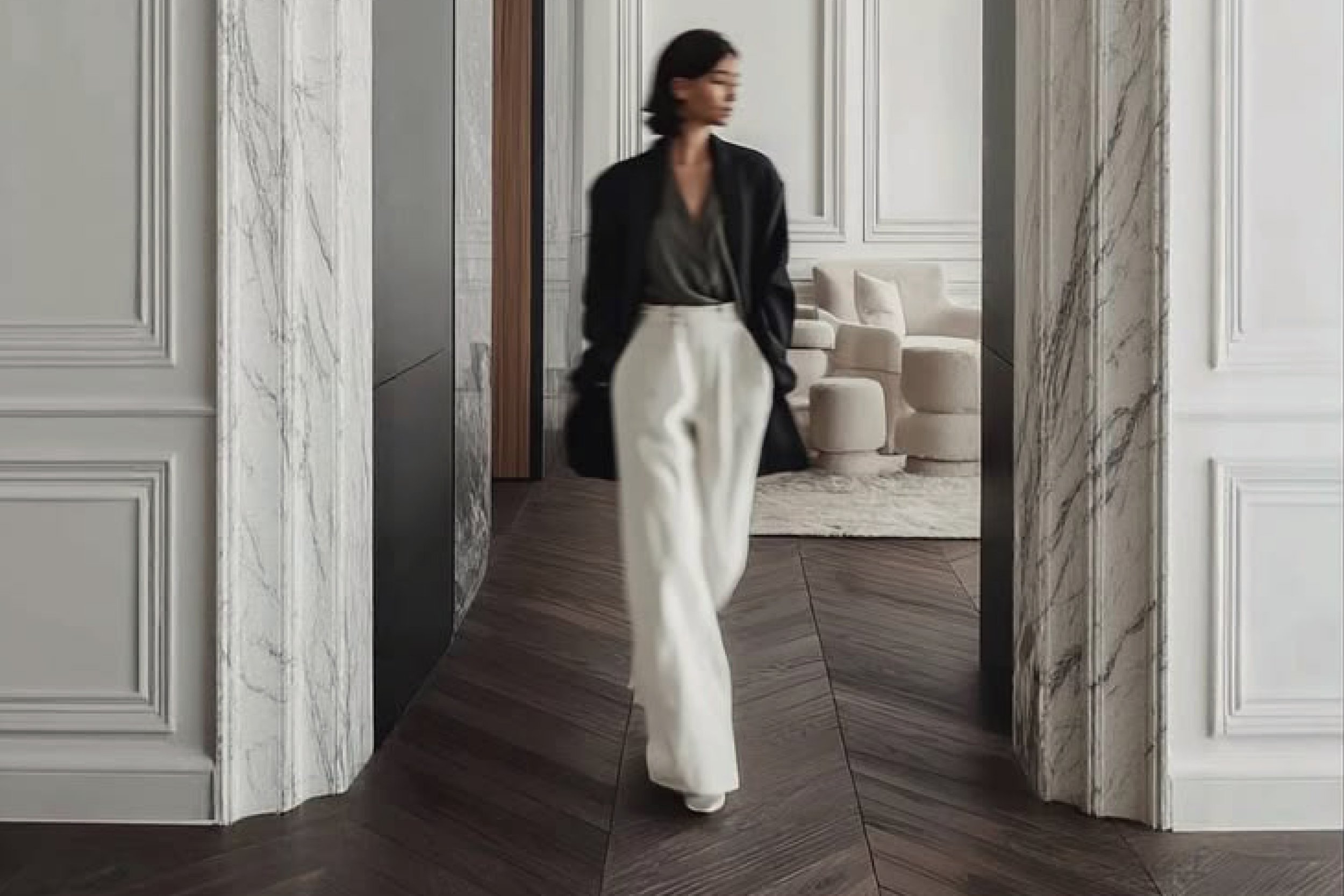
Classic moulding meets contemporary design. Image courtesy of Neogroupp.
While furniture, lighting, and finishes naturally draw attention, it is architectural moulding that quietly frames a space, adding character, depth, and a lasting sense of refinement.
WHAT IS MOULDING?
Moulding refers to decorative architectural trim applied to walls, ceilings, doors, windows, and cabinetry. Traditionally made from wood or plaster but now available in a variety of materials, molding serves both practical and aesthetic purposes. It creates seamless transitions between surfaces while adding visual interest and refinement.
Far from being reserved for historic homes, moulding has become an essential design tool within modern interiors, offering a subtle way to introduce architectural depth and sophistication. Designers use mouldings to create a sense of completeness, helping rooms feel cohesive, balanced, and intentionally designed.
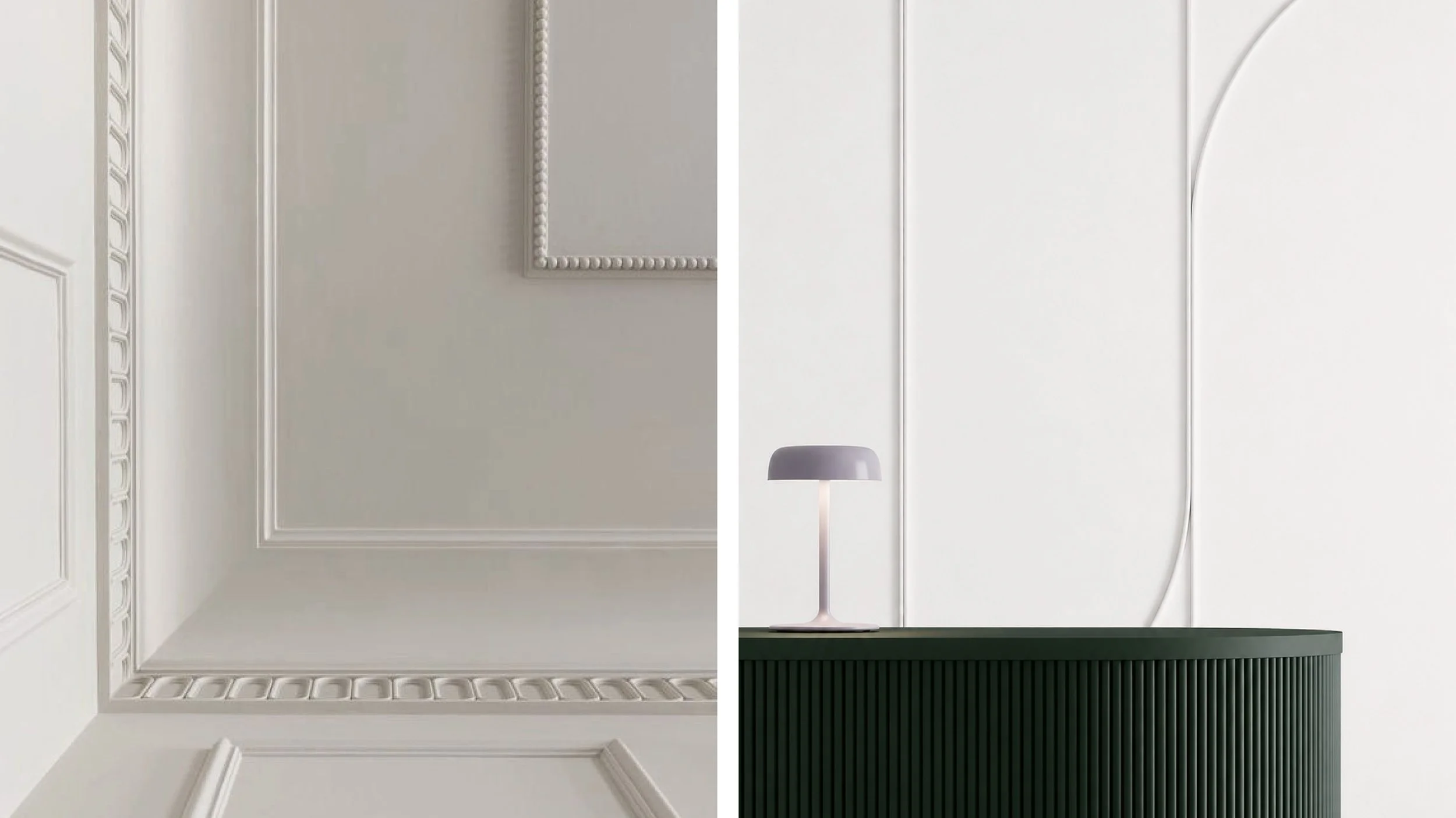
Contemporary walls elevated with timeless moulding profiles.
WHY MOULDING MAKES SUCH A DIFFERENCE
1. IT ENHANCES LIGHT AND SHADOW
An often overlooked quality of moulding is its interaction with light. Moulding profiles cast subtle highlights and shadows throughout the day, enriching otherwise flat surfaces with depth and dimension.
This interplay of light and shadow gives beautifully detailed interiors a layered, sophisticated appearance. Architectural mouldings are often designed specifically to create these visual effects.
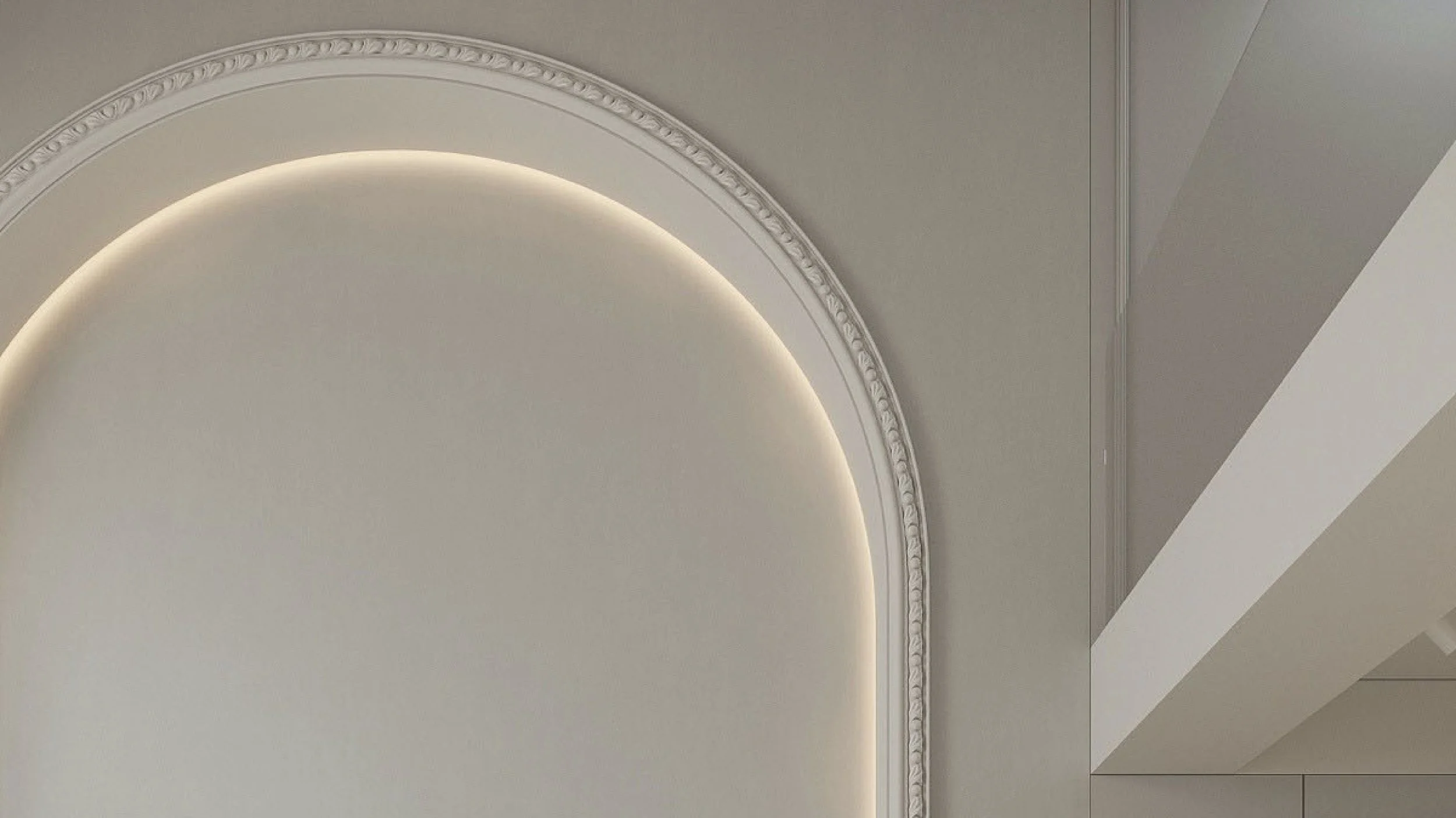
Architectural arch moulding creates a refined focal point. Image courtesy of Shexia Space Design.
2. IT DEFINES PROPORTION AND SCALE
Architectural detailing establishes balance within a room. Crown molding draws the eye upward, making ceilings feel taller, while wall paneling organizes large expanses and creates a more intimate atmosphere.
When proportioned correctly, molding enhances a room's architecture rather than competing with it. Classical design principles have long relied on moldings to create order, structure, and harmonious transitions between architectural elements.
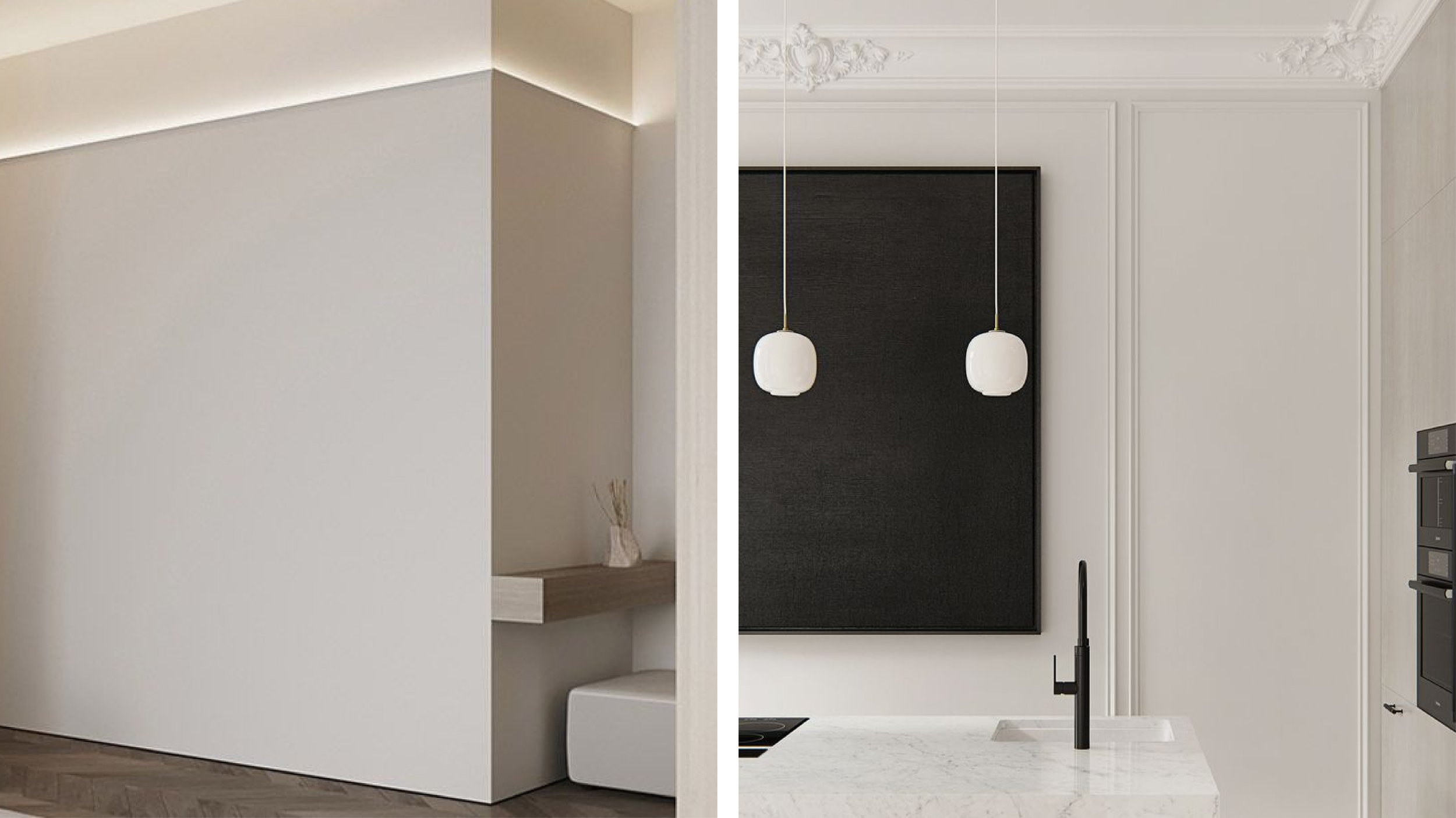
Moulding shapes architectural proportion. Image courtesy of Balcon Studio.
3. IT CREATES ARCHITECTURAL CHARACTER
Many contemporary homes embrace clean walls and minimal detailing. While beautifully restrained, these spaces can sometimes benefit from additional architectural character.
Thoughtfully designed moulding introduces dimension, shadow, and texture, adding visual interest without overpowering the architecture. Even a simple panel moulding treatment can transform an ordinary wall into a striking feature. Many designers consider molding one of the most effective ways to infuse character into modern homes.
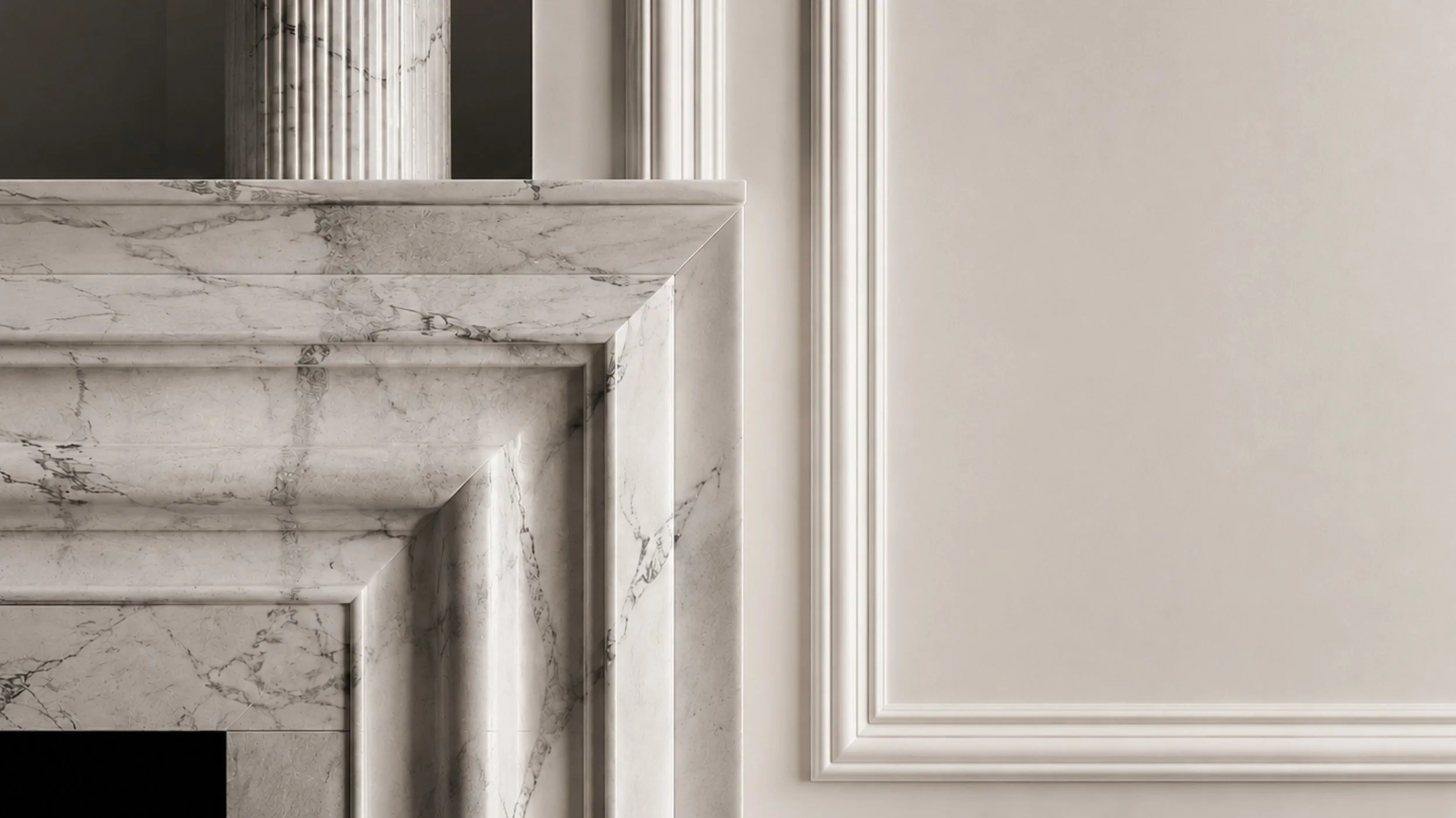
Architectural detailing transforms walls into timeless design features. AI-generated image for illustrative purposes.
TYPES OF MOULDING USED IN INTERIOR DESIGN
1. CROWN MOULDING
Installed where walls meet the ceiling, crown moulding creates an elegant transition and adds a sense of completion to a room. It remains one of the most timeless architectural details and is particularly effective in living rooms, bedrooms, and dining spaces.
2. WALL PANELING AND PICTURE FRAME MOULDING
Decorative wall mouldings can be arranged in geometric patterns to introduce texture and architectural interest. This style works beautifully in both classic and contemporary interiors and can be used to create statement walls, formal dining rooms, or sophisticated hallways.
3. BASEBOARDS
Although often overlooked, baseboards create a clean transition between walls and flooring while grounding the overall design. Larger profiles can add luxury and visual weight to a space.
4. WINDOW AND DOOR CASINGS
Trim surrounding windows and door frames. These architectural openings create visual continuity throughout the home while elevating everyday elements into intentional design features.
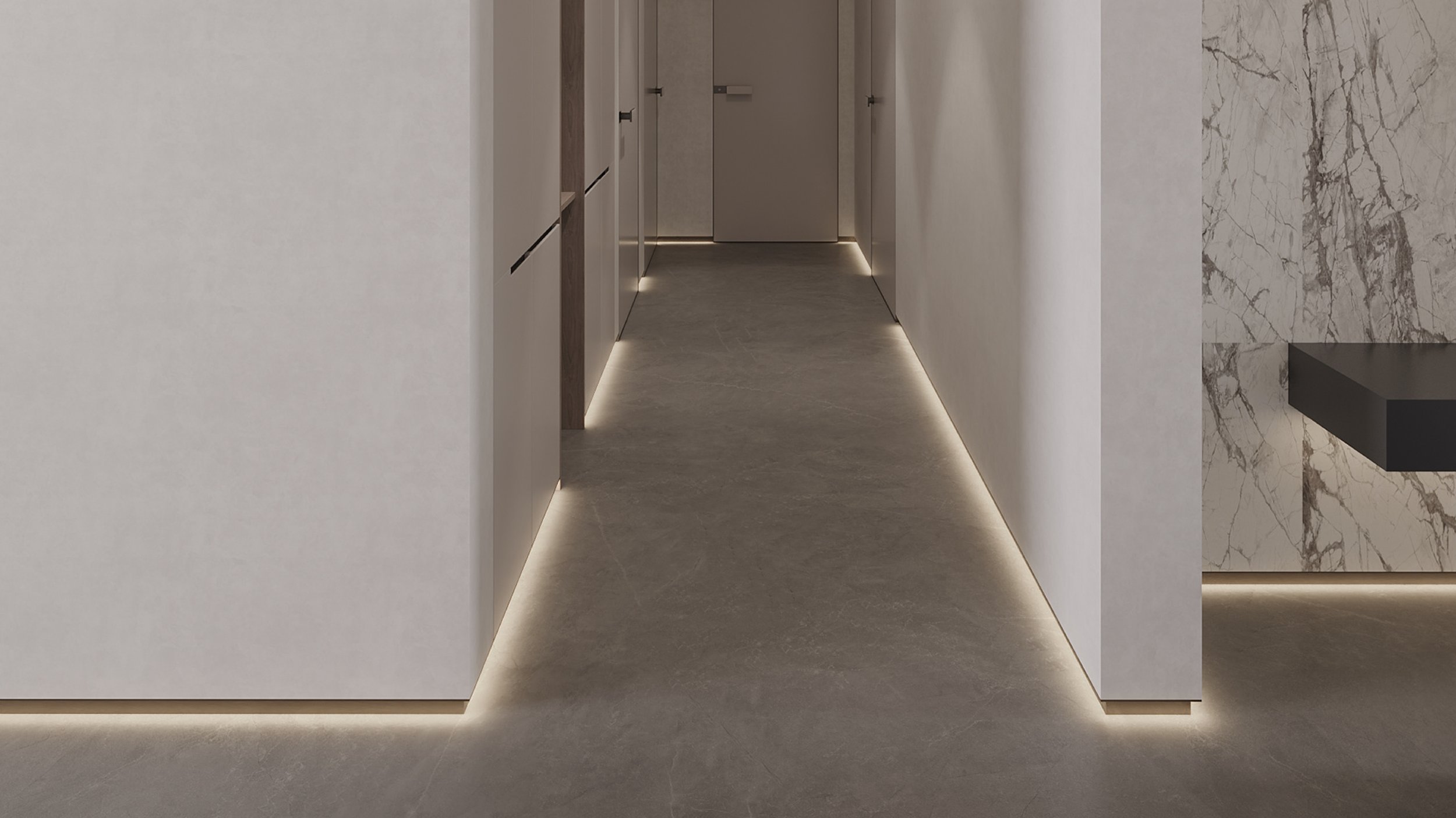
Integrated lighting transforms floor trim into an architectural feature. Interior render by Yang Ji.
MOULDING IN CONTEMPORARY INTERIORS
A common misconception is that moulding belongs only in traditional interiors. In reality, today’s designers frequently incorporate streamlined moulding profiles into contemporary spaces to introduce warmth, architectural depth, and visual interest.
Clean-lined panel moulding, oversized baseboards, integrated shadow-gap panelling, and minimalist crown details complement modern furnishings, while concealed lighting within architectural trim enhances depth and atmosphere. Together, these refined details create a dialogue between modern simplicity and timeless craftsmanship, resulting in interiors that feel both contemporary and enduring.
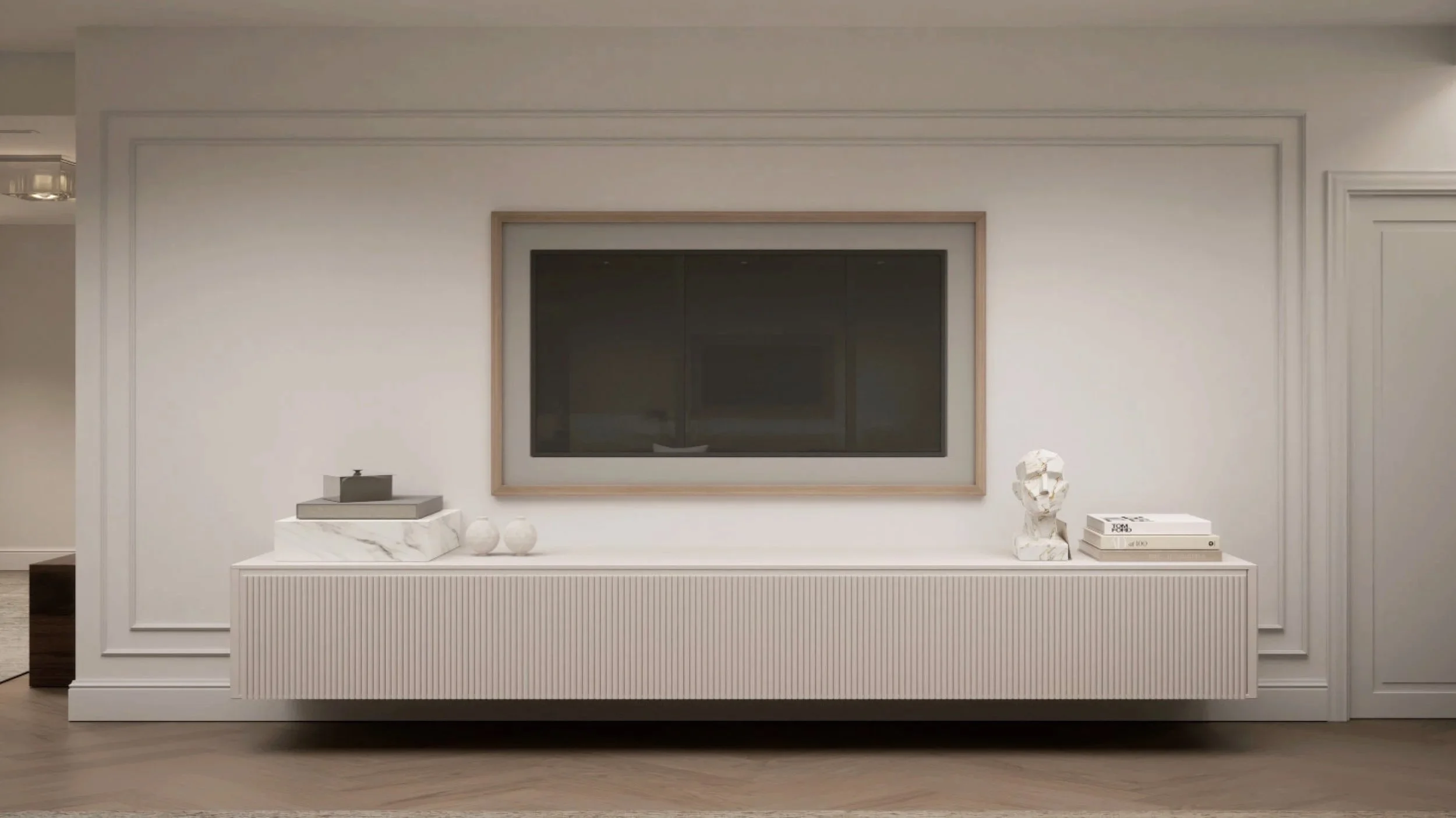
Architectural wall moulding frames The Watermark Residence 01 with timeless sophistication. Design by IDG.
THE IDG APPROACH
At IDG, we believe exceptional interiors are defined by thoughtful details. Architectural moulding is more than decoration, it introduces depth, proportion, and timeless character, creating homes that feel refined, balanced, and enduring. Whether through elegant wall panelling, custom millwork, or distinctive ceiling details, these architectural elements often become the features our clients appreciate most.
Whether you're renovating a single room or designing an entire residence, thoughtful architectural detailing can transform the way a home feels. Contact IDG today to schedule your complimentary design consultation.